Legnépszerűbb cikkek


Programajánló

Vigyázz, kész, rajt! A kínai sárkányév lendülete és a nyári nemzetközi sportversenyek hangulata is megjelenik a Bubbles Club idei tematikus programjaiban.
A Danubius Hotels és az Ensana szállodák népszerű gyerekbarát márkája 2024-ben is változatos, minden korosztályt megmozgató eseményekkel és izgalmas sárkánykalandokkal készül a tavaszi-nyári szezonra. A szállodavállalat nagyívű szállodai fejlesztései nyomán megújult szobák és lakosztályok, interaktív kerti játszóterek és szórakoztató FunZone is várja a Balatonfüredre, Bükfürdőre és Hévízre érkező családokat.
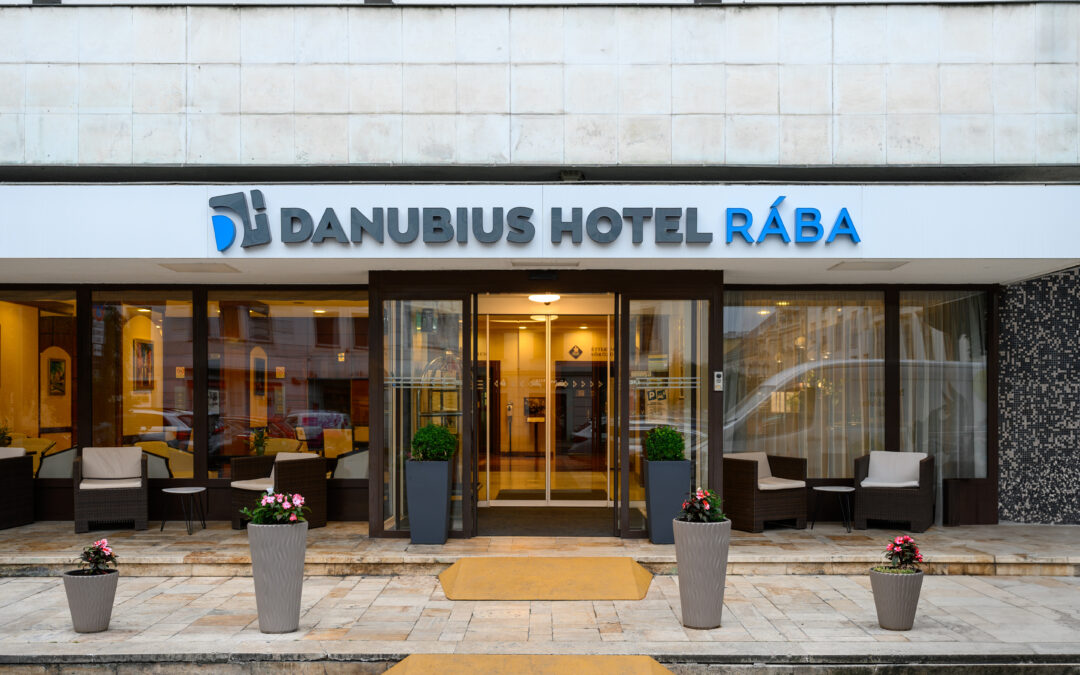
A 120 éves győri Danubius Hotel Rába egész éves programsorozattal ünnepel
1904 – 1954 – 2024. A hajdani Meixner Hotel Royal Szálloda több emberöltőnyi története igazi történelmi, kulturális és gasztro-történeti időutazás, amit az idei tematikus rendezvénysorozatnak köszönhetően a szálloda vendégei is megismerhetnek. Győr legelső hotele az évszázadok viharai után ma is eredeti helyén áll, és a hajdani építtető, Meixner Mihály

Húsvét – minden, amit tudnod kell a tavasz ünnepéről
Húsvétra gondolva nagyon sok minden eszünkbe jut. A tavasz, a feltámadás, a barka, a tavaszi szünet, a 40 napos böjt vége, a finom sonka és a kalács, a piros tojás, a locsolók, a bárány és a hal, a hosszúhétvége. Ünnep ez a javából, amire minden évben, talán már január
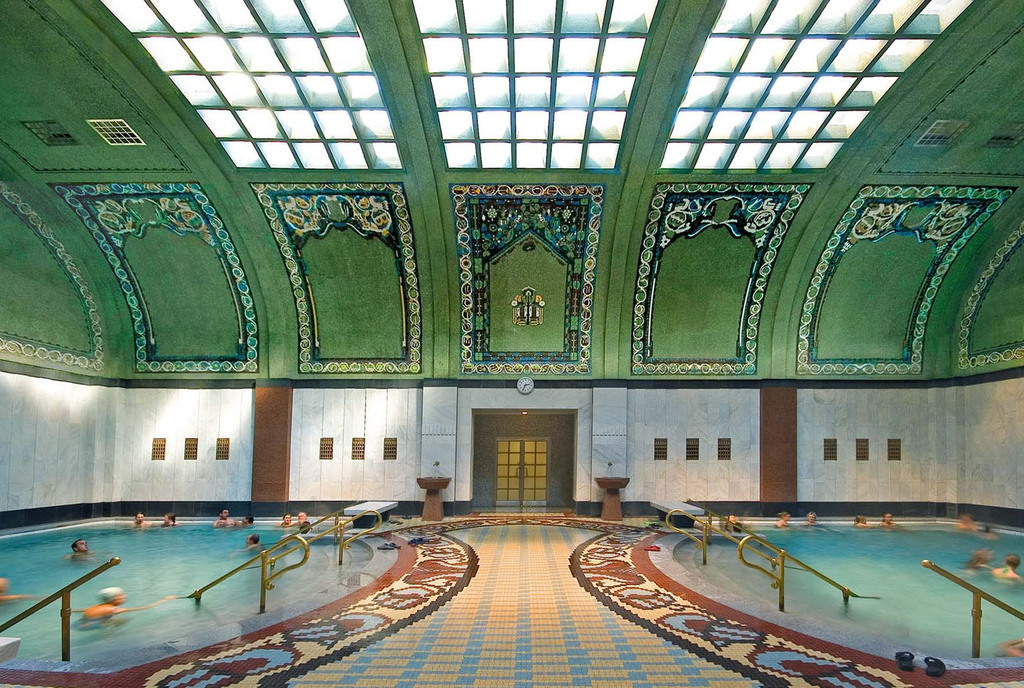
A legjobb gyógyfürdők Budapesten
A víz az élet forrása, bölcsője, legfontosabb lételemünk. Nemcsak isszuk, de lubickolunk is benne, kihasználva testi-lelki egészségünkre gyakorolt jótékony hatásait. Termálvíz, gyógyvíz, hidroterápia, balneoterápia, fürdőkúra és ivókúra – napjaink gyakran ismételt kifejezései, de ismerjük-e a fürdőkultúra gyökereit és máig érvényes tanait? És miért is Budapest a gyógyvíz-főváros? Megmutatjuk Budapest
Szállodavilág
Vigyázz, kész, rajt! A kínai sárkányév lendülete és a nyári nemzetközi sportversenyek hangulata is megjelenik a Bubbles Club idei tematikus programjaiban.
A Danubius Hotels és az Ensana szállodák népszerű gyerekbarát márkája 2024-ben is változatos, minden korosztályt megmozgató eseményekkel és izgalmas sárkánykalandokkal készül a tavaszi-nyári szezonra. A szállodavállalat nagyívű szállodai fejlesztései nyomán megújult szobák és lakosztályok, interaktív kerti játszóterek és szórakoztató FunZone is várja a Balatonfüredre, Bükfürdőre és Hévízre érkező családokat.
A 120 éves győri Danubius Hotel Rába egész éves programsorozattal ünnepel
1904 – 1954 – 2024. A hajdani Meixner Hotel Royal Szálloda több emberöltőnyi története igazi történelmi, kulturális és gasztro-történeti időutazás, amit az idei tematikus rendezvénysorozatnak köszönhetően a szálloda vendégei is megismerhetnek. Győr legelső hotele az évszázadok viharai után ma is eredeti helyén áll, és a hajdani építtető, Meixner Mihály
Húsvét – minden, amit tudnod kell a tavasz ünnepéről
Húsvétra gondolva nagyon sok minden eszünkbe jut. A tavasz, a feltámadás, a barka, a tavaszi szünet, a 40 napos böjt vége, a finom sonka és a kalács, a piros tojás, a locsolók, a bárány és a hal, a hosszúhétvége. Ünnep ez a javából, amire minden évben, talán már január

Megújult szobák és vendégterek Budapesten, Balatonfüreden és Bükfürdőn
Mindig felcsillan a szemünk, amikor kedvenc szállodáink megújulásáról kapunk híreket. 2024 tavaszán megtriplázódik örömünk és lelkesedésünk, hiszen a Danubius Hotels három népszerű szállodájában is birtokba vehetünk teljeskörűen felújított prémium szobákat, elegáns és páratlan felszereltségű lakosztályokat, kényeztető wellness vendégtereket. A tavaszi időzítés tökéletes, hiszen utazási kedvünk a napsugaras időjárással folyamatosan
Útikalauz
A 120 éves győri Danubius Hotel Rába egész éves programsorozattal ünnepel
1904 – 1954 – 2024. A hajdani Meixner Hotel Royal Szálloda több emberöltőnyi története igazi történelmi, kulturális és gasztro-történeti időutazás, amit az idei tematikus rendezvénysorozatnak köszönhetően a szálloda vendégei is megismerhetnek. Győr legelső hotele az évszázadok viharai után ma is eredeti helyén áll, és a hajdani építtető, Meixner Mihály
Húsvét – minden, amit tudnod kell a tavasz ünnepéről
Húsvétra gondolva nagyon sok minden eszünkbe jut. A tavasz, a feltámadás, a barka, a tavaszi szünet, a 40 napos böjt vége, a finom sonka és a kalács, a piros tojás, a locsolók, a bárány és a hal, a hosszúhétvége. Ünnep ez a javából, amire minden évben, talán már január

Top 10 tavaszi kirándulóhely, amit nem szabad kihagynod
A tavasz nagy mágus. Nemcsak a természetet ébreszti fel téli álmából, de megbizserget minket, embereket is jó alaposan. Felkelti bennünk a mehetnéket és a vágyakat a friss levegő, a madárdal, az üdezöld erdő hangulata iránt. Nem is állunk ellen a hívó szónak, az első melengető napsugarakkal, a korai virágok

A legjobb balatoni kirándulóhelyek [Gyerekes tippek]
A Magyar Tenger sokkal többet nyújt, mint a napokig tartó önfeledt lubickolás és napozás. Északi és déli partján egymást követik a szebbnél szebb felfedezni valók, a gyönyörű látnivalók a Balaton körül, gondoljunk csak a Káli-medencére, a Tanúhegyekre, a várromokra, a Tihanyi-félszigetre, a kilátókra és túraösvényekre, híres írók és költők
Wellness
Megújult szobák és vendégterek Budapesten, Balatonfüreden és Bükfürdőn
Mindig felcsillan a szemünk, amikor kedvenc szállodáink megújulásáról kapunk híreket. 2024 tavaszán megtriplázódik örömünk és lelkesedésünk, hiszen a Danubius Hotels három népszerű szállodájában is birtokba vehetünk teljeskörűen felújított prémium szobákat, elegáns és páratlan felszereltségű lakosztályokat, kényeztető wellness vendégtereket. A tavaszi időzítés tökéletes, hiszen utazási kedvünk a napsugaras időjárással folyamatosan

SZÉP kártya 2024 – Így jársz a legjobban!
SZÉP-kártyákat érintő változások 2024. január 1-jétől A kormányzati döntések értelmében 2023. december 31. után már nem lehet használni a SZÉP–kártyát hidegélelmiszer vásárlására. A SZÉP–kártyát tehát 2024. január 1-től ismét csak vendéglátó- és szálláshelyeken, illetve szabadidős programokon lehet használni. 2024 bővelkedik hosszú hétvégékben, így számos lehetőség nyílik a kártyán lévő egyenleg felhasználására. Korábbi fontos

Színes program- és gasztro tippek tavaszi nagy lazításhoz
Nem is kell a naptárra néznünk ahhoz, hogy tudjuk, már nem kell sokat várnunk a tavaszi zsongás mámorító hangulatára. Az egyre zöldebb természet, a színpompás virágok és a közeledő tavaszi ünnepnapok visszavonhatatlanul jelzik, hogy vége a télnek. Eljött a nagy tavaszi lazítás ideje! Hívogatnak a medencék és a szaunák,
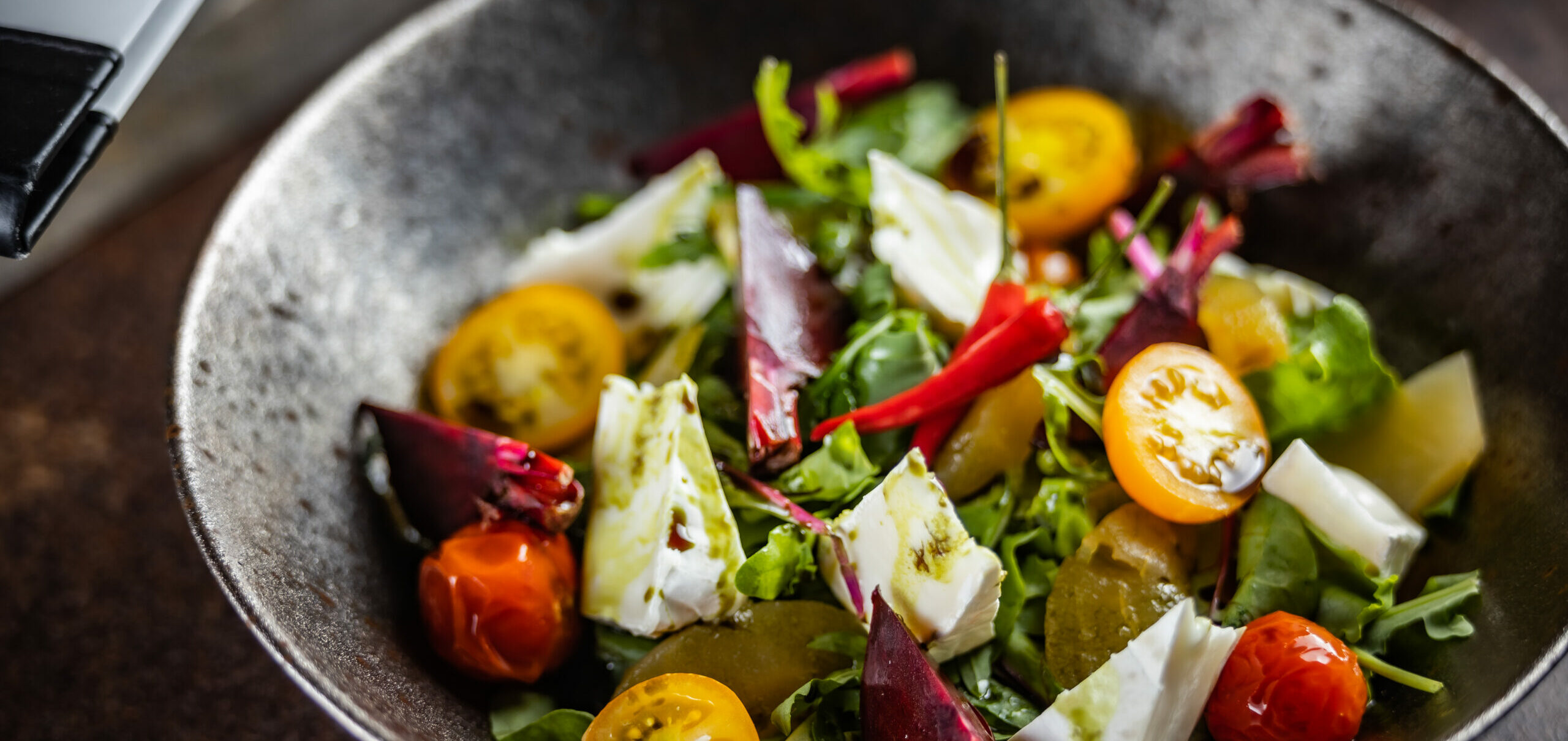
Jót enni, jól lenni! Életerő a Duna-parton by Danubius Hotel Helia
Vajon mi is az, amire mindenki vágyik? Szerintünk a jóllét vagy wellbeing, a vitalitás vagy életerő, nevezzük bárhogy azt a vágyott állapotot, amikor egyszerűen jól vagyunk a bőrünkben. Persze ezt a zsigerekig ható érzést nem kapjuk meg csak úgy, tennünk kell érte. Figyelnünk kell a pihenésre és a relaxációra,
Gasztro
Húsvét – minden, amit tudnod kell a tavasz ünnepéről
Húsvétra gondolva nagyon sok minden eszünkbe jut. A tavasz, a feltámadás, a barka, a tavaszi szünet, a 40 napos böjt vége, a finom sonka és a kalács, a piros tojás, a locsolók, a bárány és a hal, a hosszúhétvége. Ünnep ez a javából, amire minden évben, talán már január
SZÉP kártya 2024 – Így jársz a legjobban!
SZÉP-kártyákat érintő változások 2024. január 1-jétől A kormányzati döntések értelmében 2023. december 31. után már nem lehet használni a SZÉP–kártyát hidegélelmiszer vásárlására. A SZÉP–kártyát tehát 2024. január 1-től ismét csak vendéglátó- és szálláshelyeken, illetve szabadidős programokon lehet használni. 2024 bővelkedik hosszú hétvégékben, így számos lehetőség nyílik a kártyán lévő egyenleg felhasználására. Korábbi fontos
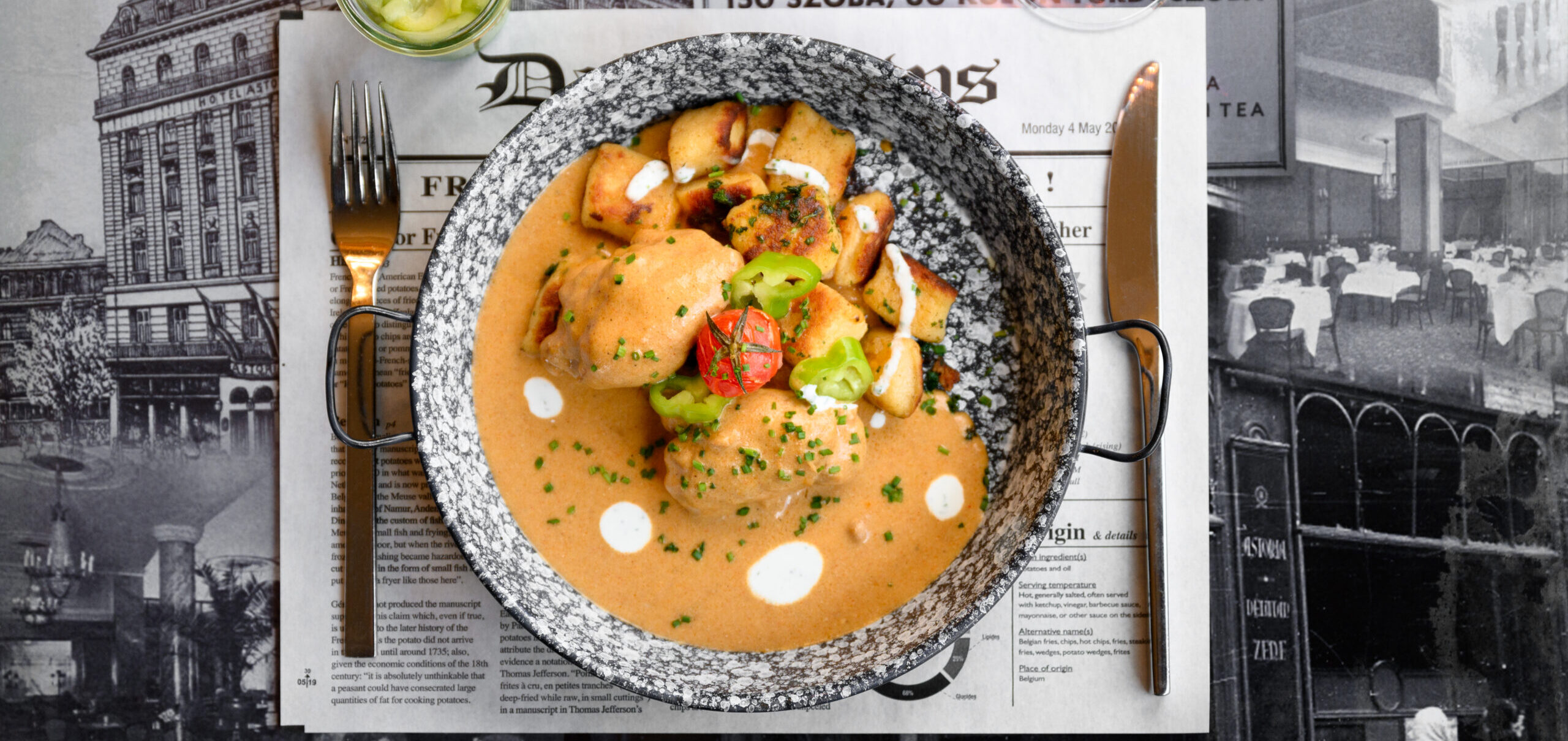
Ínycsiklandó gasztro élményekkel érkezik az ősz
Alig várjuk, hogy a színpompás ősz beköszöntével az éttermek kínálatában is felfedezhessük a csodásan illatos és zamatos fogásokat. Új étlapok debütálnak, az őszi Diningcity Országos Étterem Hét alkalmából számos helyen szuper árakon hódolhatunk kulináris élményeknek, közeledik a Márton-nap, tányérra kerülnek a tökös, gesztenyés és őszi gyümölcsös finomságok, hogy csak
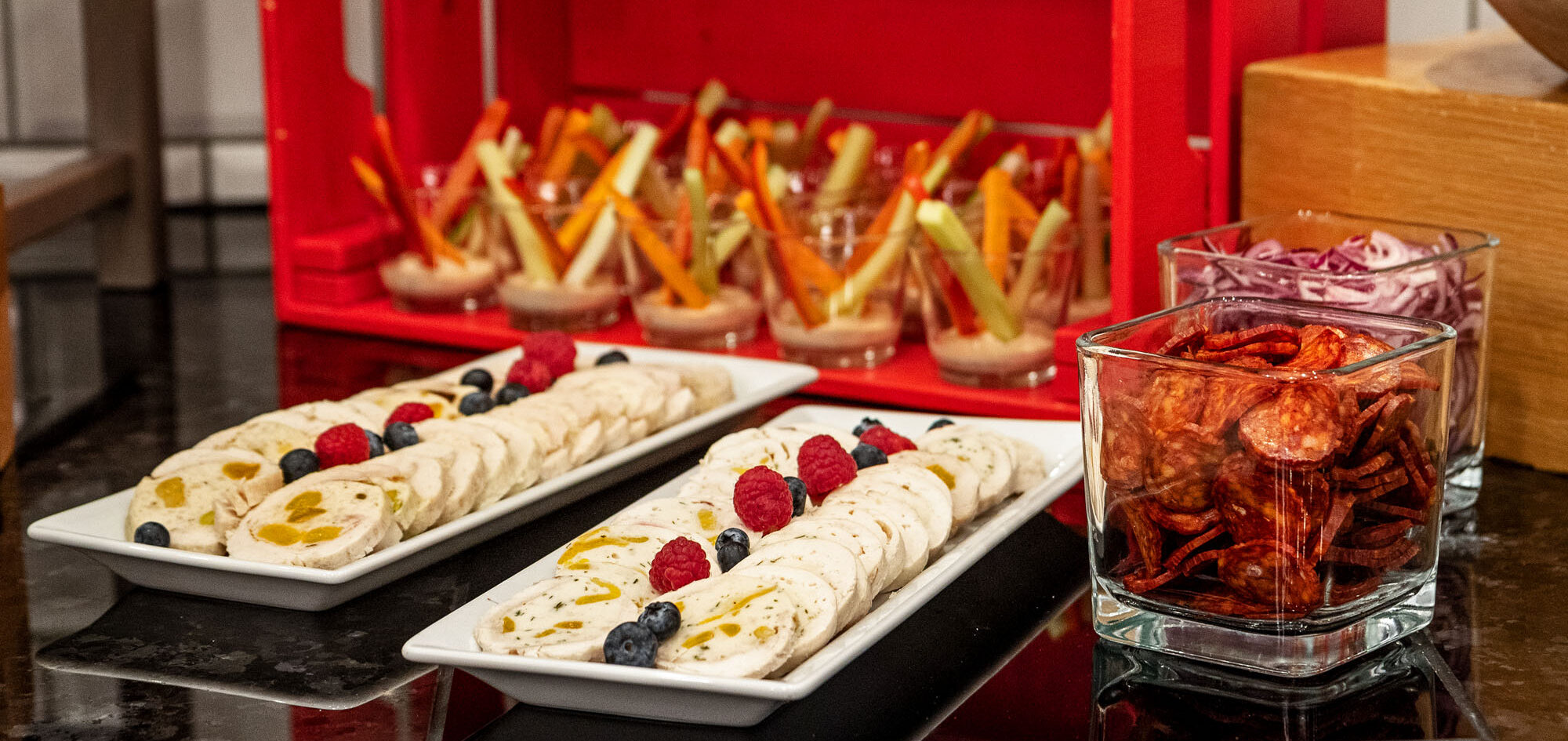
Sunday Brunch Budapest – tippek és legjobb helyek
Az egész heti pörgés után gyakran előfordulhat, hogy nem érzünk késztetést egy vasárnapi ebéd elkészítéséhez, sokkal szívesebben ebédelünk egy étteremben, ahol a családi ebéd kellemes programmá, sőt ünneppé válik. Budapesten nagyszerűbbnél nagyszerűbb éttermek kínálnak vasárnapi ebéd akciókat az úgynevezett Sunday Brunch keretében, ahol a gazdag menüválasztékot korlátlan étel-ital fogyasztás